
Programme
22 – 23 JULY 2027, Brno, Czechia
Scientific programme

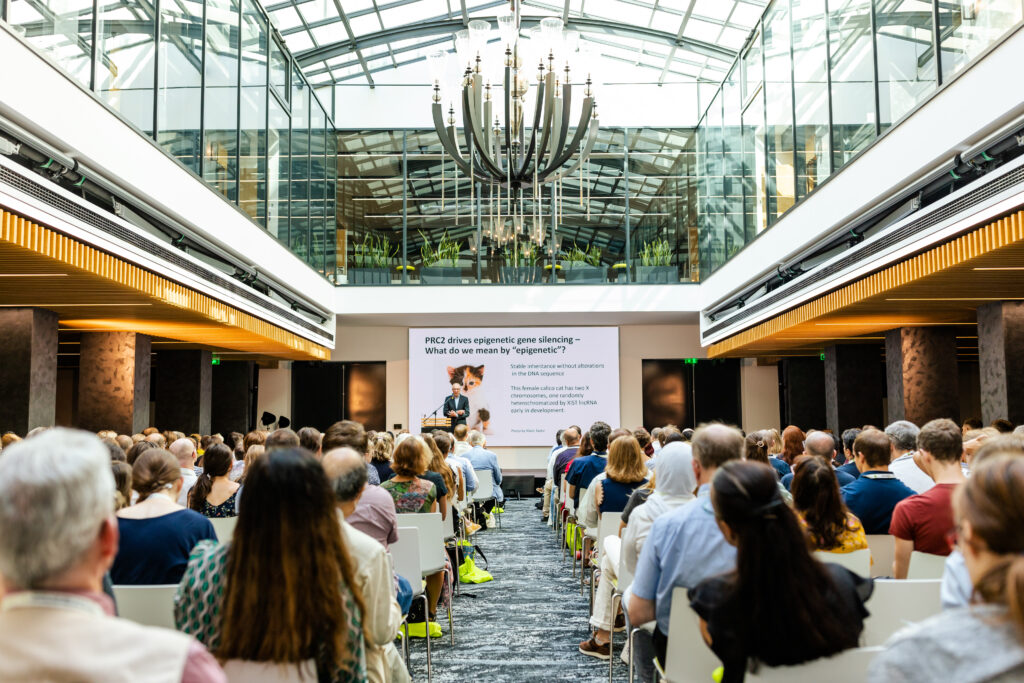
The program is currently under development. Get ready for two days of world-class genetics in the city where the field’s foundations were first laid! The scientific sessions will address:
| ✓ | Rare inherited diseases |
| ✓ | Cancer genetics (solid tumors and haematological malignancies) |
| ✓ | Plant and animal genetics |
| ✓ | Bioinformatic approaches to genome analysis |
| ✓ | Personalised medicine |
| ✓ | History of genetics (from Mendel to the present) |
Thursday 22 July 2027
| Location | Time | Topic |
|---|---|---|
| Reception | 8:00 – 9:00 | Registration |
| Main hall | 9:00 – 17:00 | Plenary lectures |
| Hall D | 17:30 – 19:00 | Poster session |
| City centre | All night long | Explore the city of science and culture! |
Friday 23 July 2027
| Location | Time | Topic |
|---|---|---|
| Main hall | 9:00 – 17:00 | Lectures |
| History section | 9:00 – 17:00 | History of genetics |
| City centre | All night long | Explore the city of science and culture! |
Saturday 24 July 2027
| Location | Time | Topic |
|---|---|---|
| Masaryk University Campus | 10:00 – 23:45 | Mendel festival |
Speakers
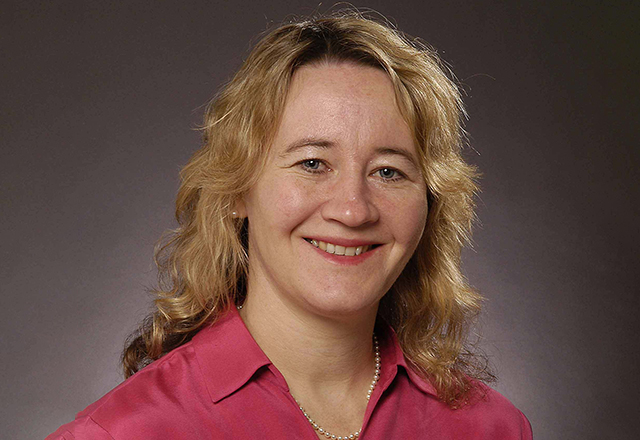
Carol Greider, PhD, is Distinguished Professor of Molecular, Cell and Developmental Biology at UC Santa Cruz. In 1984, as a graduate student working with Elizabeth Blackburn, she identified telomerase, the enzyme that rebuilds the protective caps at chromosome ends — a discovery for which she, Blackburn and Jack Szostak shared the 2009 Nobel Prize in Physiology or Medicine. Her ongoing research links telomere length to cellular aging, cancer and inherited telomere syndromes such as bone marrow failure.
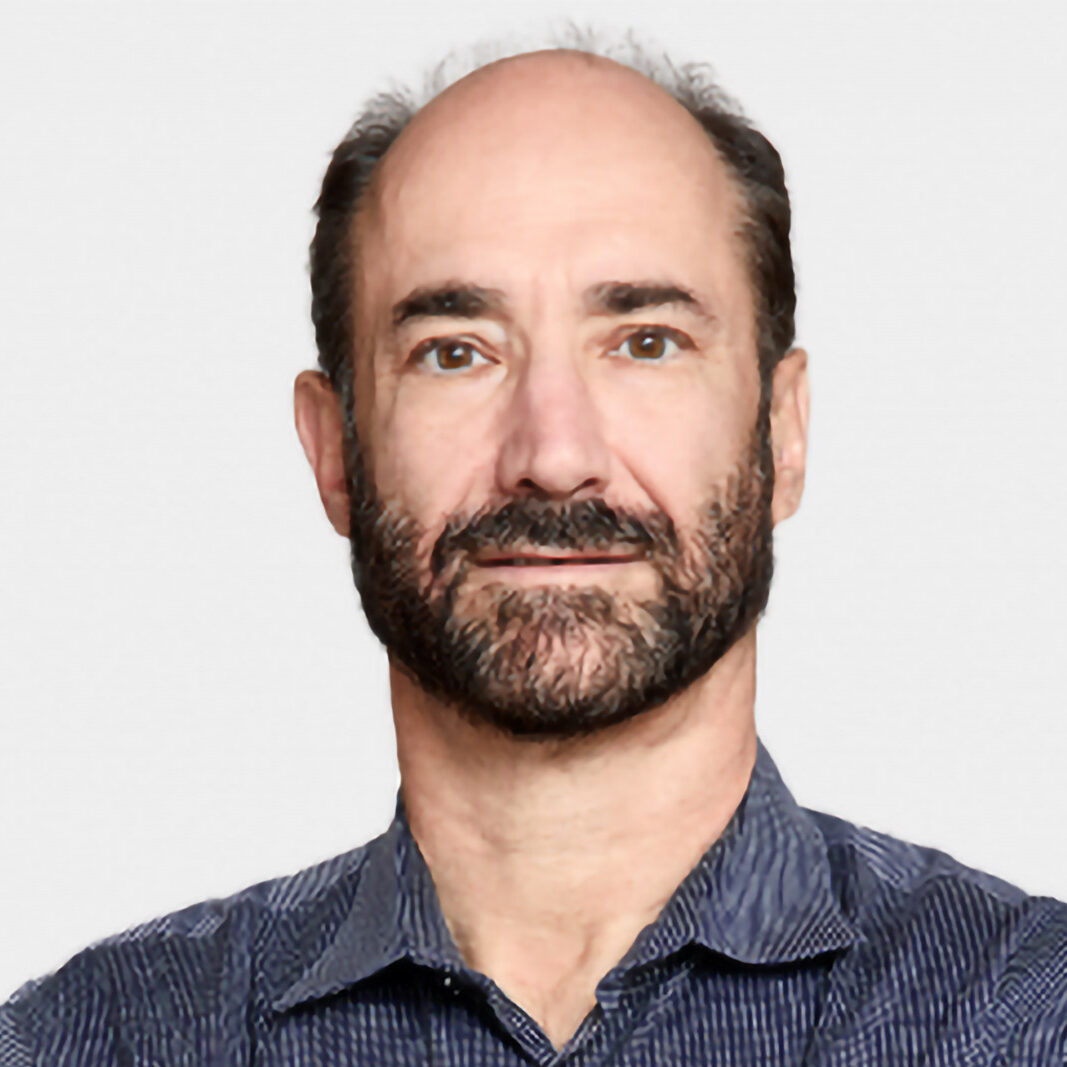
Michael Paul Snyder is an American genomicist, professor, and former chair of genetics at Stanford University School of Medicine. He also serves as the director of the Stanford Center for Genomics and Personalized Medicine.
Snyder’s research focuses on “omics”, the study of genomes, transcriptomes, proteomes, and other high-throughput omics datasets. His lab has contributed to understanding the genomes and transcriptomes of yeast and humans. The lab also pioneered the use of multi-omic longitudinal profiling to monitor health.
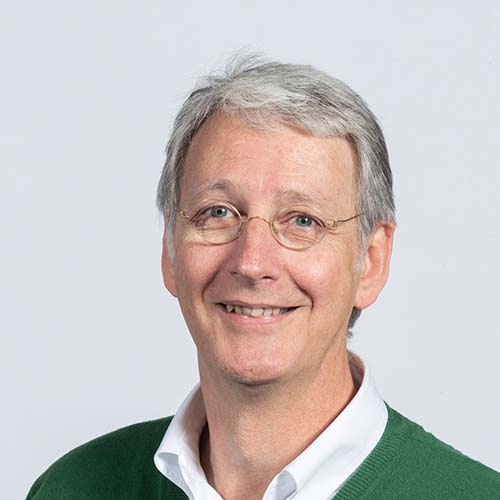
André Uitterlinden is Professor of Complex Genetics at Erasmus Medical Centre Rotterdam. A pioneer of Genome-Wide Association Studies in the Netherlands, he studies the genetics of common traits and diseases such as osteoporosis and osteoarthritis. He heads Erasmus MC’s Genomics Core Facility, one of Europe’s largest, and within the EU’s 1+ Million Genomes initiative coordinates “Genome of Europe,” an effort to assemble 100,000 reference genomes reflecting the continent’s population diversity.
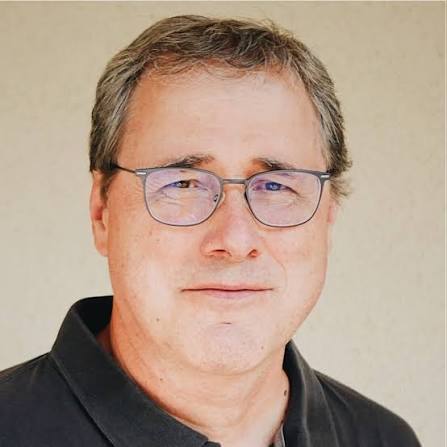
Pascal Mayer is a French biophysicist whose research focuses on innovative methods and inventions for DNA analysis. He is widely recognized for his fundamental and applied research that led to a revolutionary and affordable method to sequence DNA on a massive scale, dramatically accelerating discoveries in the life sciences and medicine. For this groundbreaking work, he jointly received the 2022 Breakthrough Prize, the 2024 Canada Gairdner International Award, and the 2026 Princess of Asturias Award for Technical and Scientific Research, alongside Cambridge professors Sir David Klenerman and Sir Shankar Balasubramanian.
Mayer currently serves as the Honorary Chair at the University of Strasbourg Institute for Advanced Studies and is an Affiliated Professor at the University of Strasbourg with ISIS. He is also the CEO and co-founder of Alphanosos.
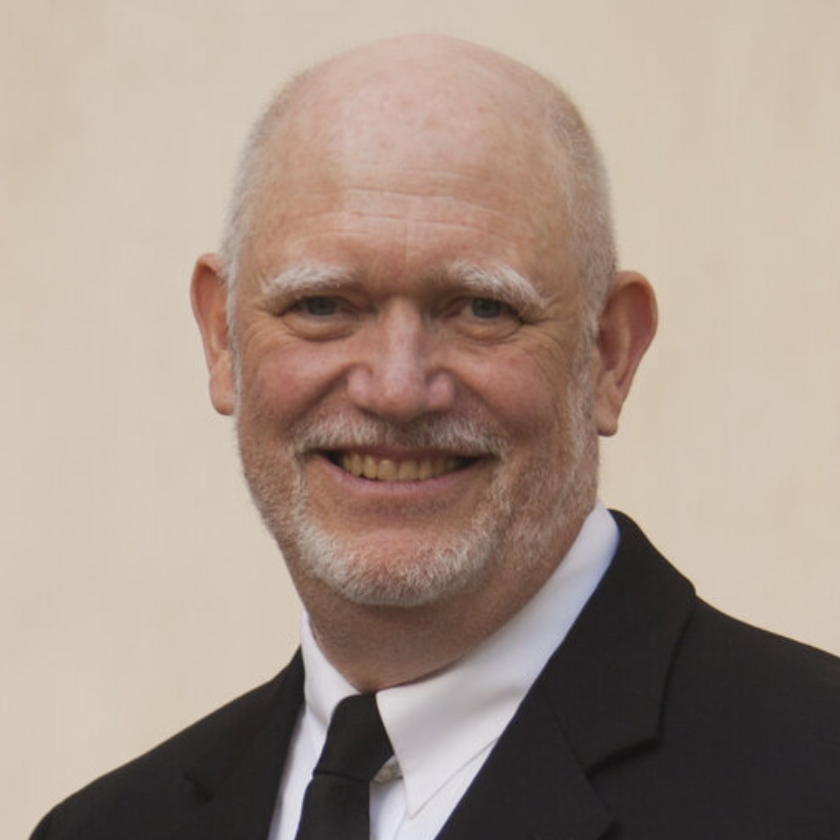
Daniel J. Fairbanks is Professor of Biology and University Research Officer at Utah Valley University (UVU). He previously was Dean of the College of Science and Interim Dean of the College of Technology and Computing at UVU. Prior to joining UVU, he was Professor and Head of the Department of Plant Soil and Insect Sciences at the University of Massachusetts-Amherst. Prior to that time he was Dean of Undergraduate Education, Associate Dean of Biology and Agriculture, Director of the Honors Program, and Professor of Plant and Wildlife Sciences at Brigham Young University (BYU). He is a geneticist specializing in evolutionary genetics, the history of genetics, plant genetics and breeding, and international scientific development. He is author or co-author of six scholarly books and more than sixty scientific journal articles and book chapters on genetics, human evolutionary genetics, the history of genetics, plant genetics and breeding, and science education. He is recognized as one of the foremost scholars on Gregor Mendel, the founder of genetics, and is author of a biographical book on Mendel. Dr. Fairbanks is an accomplished artist, with sculpture, paintings, drawings, and scientific illustrations in museum, public and private collections, and publications in the United States, Latin America, and Europe. He has received numerous awards, among them the Mendel Memorial Medal in recognition of his scholarly and artistic contributions highlighting Gregor Mendel, the Trustees Award of Excellence at UVU, the Karl G. Maeser Professorship of General Education, the Karl G. Maeser Excellence in Teaching Award, and the Alcuin Award for General Education Teaching at BYU.
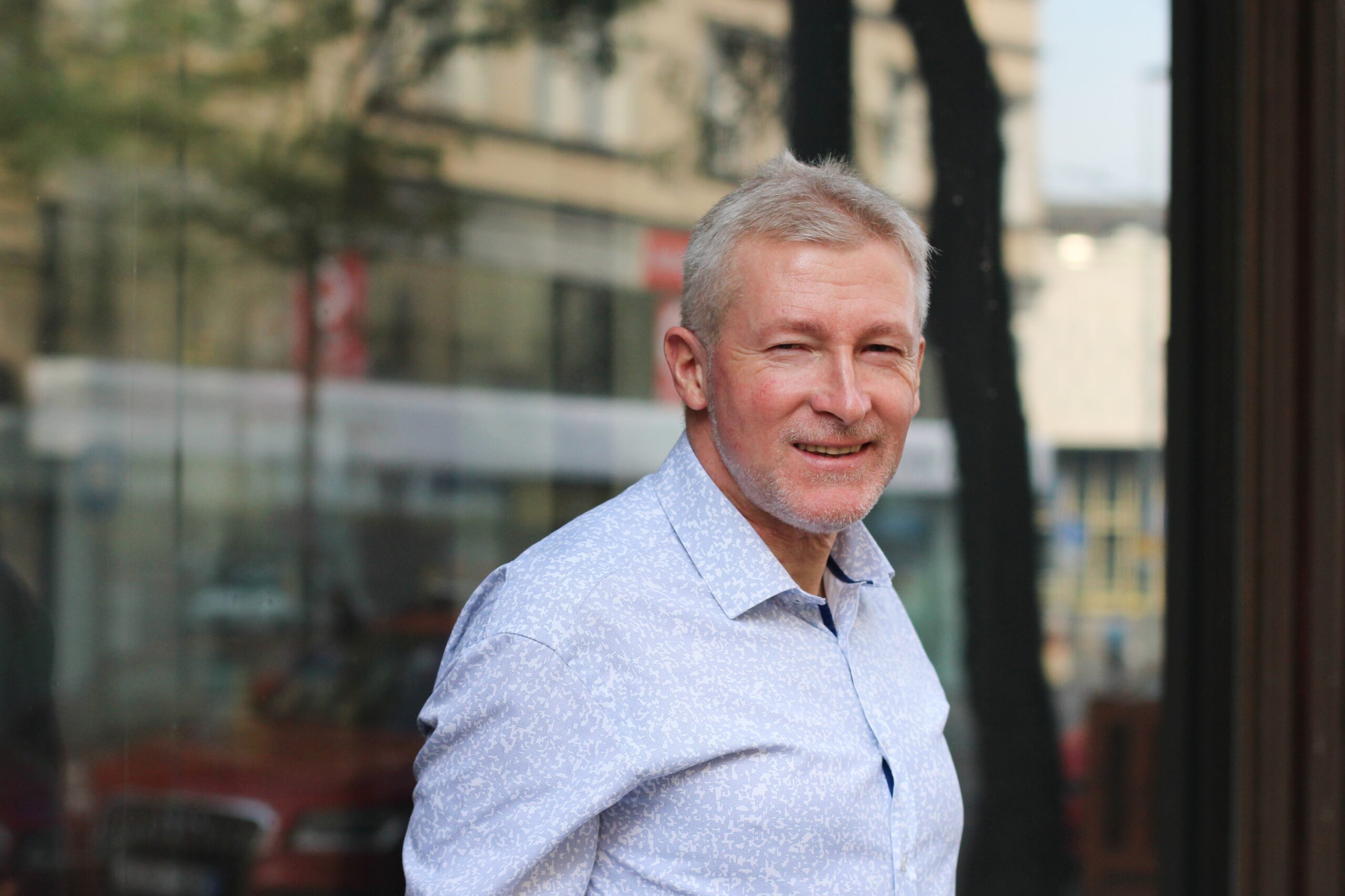
Marek Vácha is a Czech Roman Catholic priest, theologian, molecular biologist, bioethicist, educator, writer, and Scout. He specialises in evolutionary biology, as well as medical and environmental ethics.
He serves as the parish priest of the Lechovice parish. From 2007 to 2025, he also served as a parochial vicar (chaplain) of the Roman Catholic Academic Parish at the Church of the Most Holy Saviour. Between 2007 and 2024, he held the position of Head of the Department of Ethics and Humanities at the Third Faculty of Medicine, Charles University, where he also served as Chairman of the Academic Senate from 2010 to 2022.
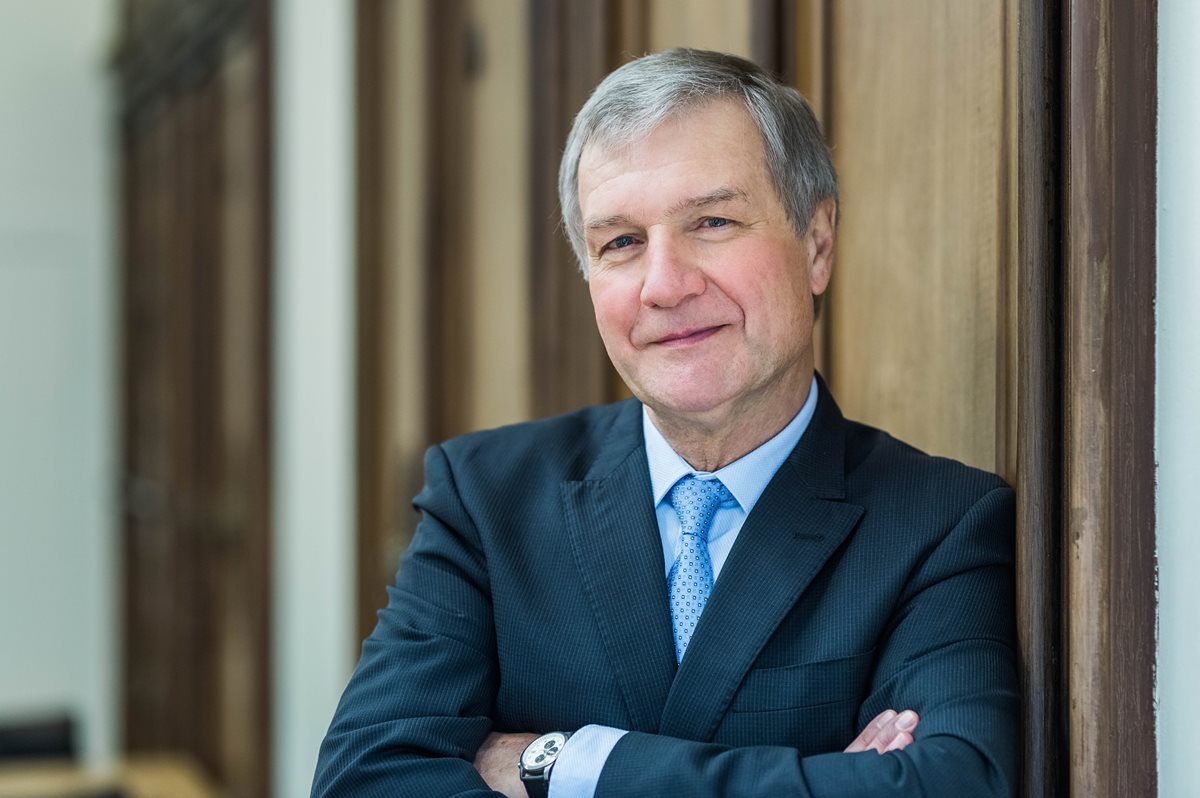
Jaroslav Doležel is founder of the Centre of Plant Structural and Functional Genomics of the Czech Academy of Sciences. He specializes in plant genome organization, function, and evolution. He pioneered flow cytometry for estimating ploidy and genome size, contributing to its standardization. He also established chromosome genomics, combining flow cytometric chromosome isolation with genomic techniques to aid in genome sequencing and gene cloning in complex crops. Additionally, he developed a program for studying banana heredity and established a genotyping center to characterize and preserve the genetic diversity of cultivated and wild banana species.
Prof. Dr. Alexander Hoischen holds the chair of Genomic Technologies for Immune-Mediated and Infectious Diseases at Radboud university medical center and Radboud University in Nijmegen. His research group applies cutting-edge genomic technologies to uncover the genetic basis of human disease, with a particular focus on rare immune disorders known as inborn errors of immunity. Hoischen leads a work package within the EU Solve-RD project, holds a VICI grant, and chairs the Scientific Program Committee of the European Society of Human Genetics (ESHG).
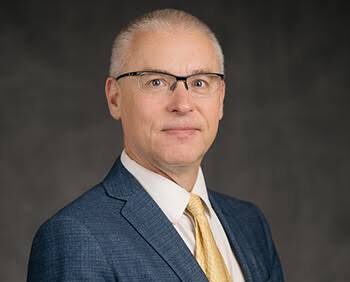
Dr. Jakub Tolar was named President, CEO and Executive Dean of Baylor College of Medicine in June 2026. He built his scientific reputation in pediatric blood and marrow transplantation, developing cell- and gene-based treatments for rare inherited conditions such as recessive dystrophic epidermolysis bullosa, and has spent over two decades as an NIH-funded investigator. Previously dean of the University of Minnesota Medical School, he is a native of the Czech Republic who trained in medicine at Charles University in Prague before pursuing doctoral studies at the University of Minnesota.
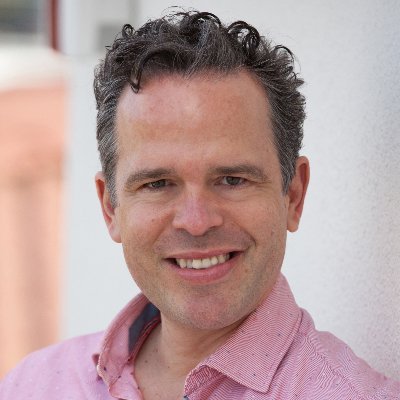
Prof. Dr. Jan Korbel is Interim Head of EMBL Heidelberg and a tenured principal investigator studying genomic structural variation — deletions, inversions and complex rearrangements such as chromothripsis — in health and cancer. His contributions include a leading role in the 1000 Genomes Project and co-leadership of the Pan-Cancer Analysis of Whole Genomes initiative; he is also an ERC investigator. An honorary professor at Heidelberg University, he is an elected member of the German National Academy of Sciences Leopoldina and EMBO.

Johannes Zschocke, MD, PhD, has chaired Human Genetics at the Medical University of Innsbruck since 2008 and directs its Centre for Medical Genetics, serving Western Austria. He currently leads “DNA of Austria,” a nationwide genome-sequencing project mapping regional hereditary disease patterns — such as a Zillertal mutation linked to breast-cancer risk — to enable earlier detection and prevention. His research and clinical work centers on inherited metabolic and connective tissue disorders.
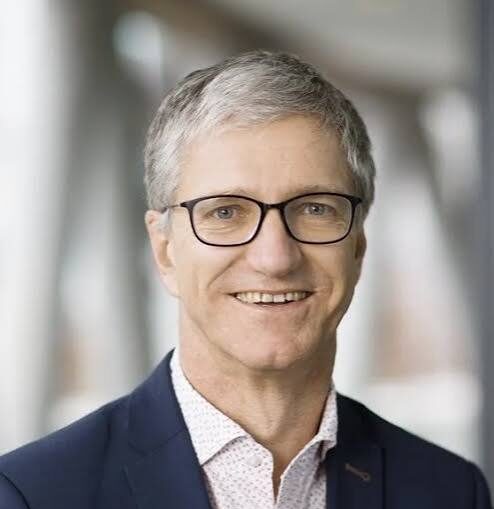
Olaf Riess, MD, is professor of Medical Genetics and director of the Institute of Medical Genetics and Applied Genomics at University Hospital Tübingen, where he founded and leads the Rare Disease Center Tübingen. His research centers on neurodegenerative and syndromal diseases — particularly inherited movement disorders such as ataxias, Huntington’s and Parkinson’s disease — and on high-throughput genomic diagnostics for rare conditions. He has coordinated major European research consortia including SOLVE-RD and served as President of the European Society of Human Genetics.
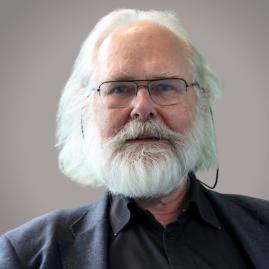
Nils Christian Stenseth is a distinguished Norwegian evolutionary biologist and Research Professor of Ecology and Evolution at the University of Oslo. He is the founding chair of the Centre for Ecological and Evolutionary Synthesis (CEES) and a member of several prestigious scientific academies. His research focuses on evolutionary biology, population dynamics and the influence of climate on ecosystems and infectious diseases. A significant part of his work explores the ecology, evolution and historical spread of plague, including the relationships between climate change, host populations and the bacterium Yersinia pestis.
Abstracts
The conference will feature an evaluated poster session. Further details regarding abstract submission deadlines, selection criteria, and technical requirements will be announced in the coming months.
You are welcomed to submit your abstract to be selected to poster session.
Keep me informed
Newsletter

Do you want to stay in the loop about our speakers, scientific sessions, and social events? Please leave your email here, and we’ll keep you posted on everything.
Social events
We are putting together a vibrant side program across the city, designed for informal networking and catching up with colleagues in the field. Most of these social events are open to everyone, while some specific activities will require prior registration. We’re sure you’ll enjoy a fantastic long weekend in Brno and join us in celebrating Gregor Mendel’s birthday in style!
Here’s a sneak peek of the highlights we’ve prepared for you:
Mendel Museum of Masaryk University: Explore the very heart of genetics at the historic Augustinian Abbey, where Mendel conducted his groundbreaking research.
Mendelianum (Moravian Museum): Immerse yourself in the “Visitor World of Genetics,” an interactive bridge between historical foundations and modern molecular biology.
See church in different light. St.James’ Brno: Experience the spiritual and architectural grandeur of the newly renovated St. James’ Church through a unique, illuminated evening tour.
Brno Water Reservoirs: Descend into our “underground cathedrals”—breathtaking brick architecture hidden beneath the city’s surface.
Brno Underground: Venture into the labyrinth of medieval cellars and ossuaries that pulse with the city’s hidden history.
Brno Observatory and Planetarium: This futuristic hub offers a breathtaking view of the city and the stars. It is a prime example of how Brno breathes science, combining high-end digital technology with stunning architecture.
VIDA! Science Centre: Unleash your inner explorer at this massive interactive playground. With over 180 hands-on exhibits, it demonstrates why Brno is a leader in science outreach and education.
The Famous Villas of Brno: Beyond the iconic Villa Tugendhat, Brno boasts a “Villa Quartet” of architectural masterpieces. Discover the functionalist elegance of Villa Stiassni, the Art Nouveau charm of Villa Löw-Beer (deeply connected to the Tugendhat story), and the unique folk-inspired Jurkovič Villa. These sites showcase the innovative and modern spirit that has defined Brno for over a century.